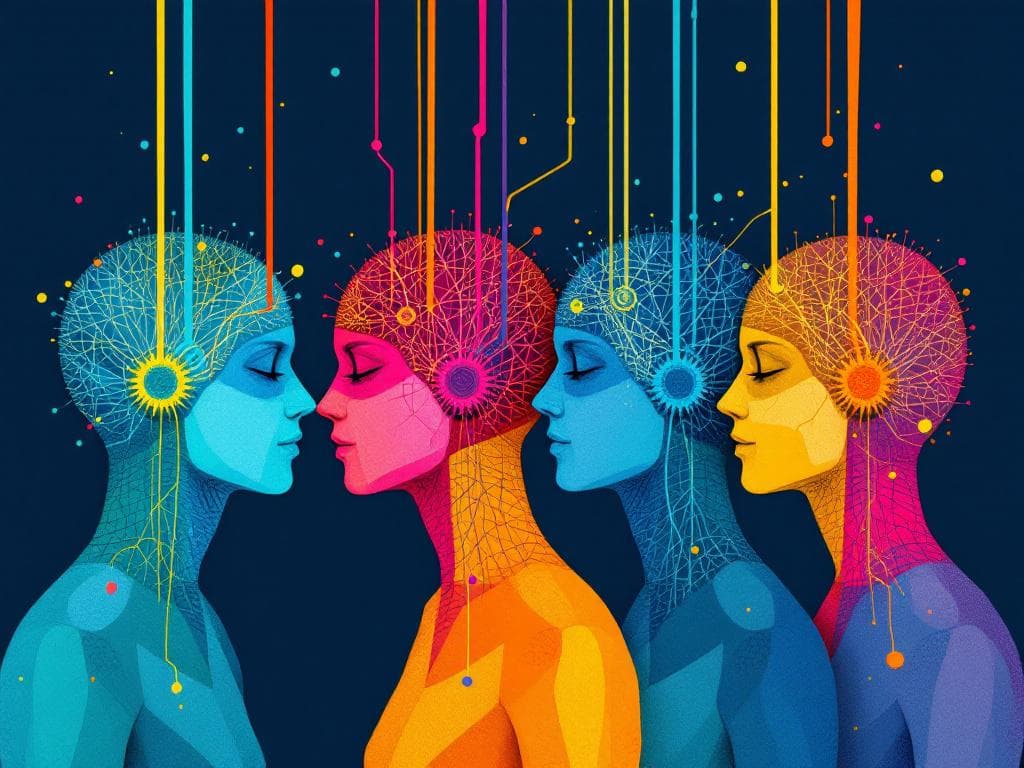

Codependency is one of the most misused words in modern dating vocabulary. People throw it around to describe anything from texting too much to wanting regular contact with a partner. This imprecision is harmful because it makes genuinely codependent people dismiss their patterns as normal and makes healthily attached people doubt their perfectly reasonable needs. The actual distinction between codependency and interdependence is not about how much you need someone but about what happens to your sense of self when that need is not met.
Codependency at its core is an identity merger. The codependent person does not simply enjoy their partner presence; they require it to feel like a complete human being. Remove the partner and the codependent person does not just feel sad, they feel hollow, directionless, and fundamentally uncertain about who they are. Their moods track their partner moods. Their self-worth rises and falls with their partner approval. Their decisions filter through the question of how their partner will react rather than what they actually want.
Healthy interdependence looks different in a way that is sometimes#
Healthy interdependence looks different in a way that is sometimes hard to spot from the outside. Interdependent partners also miss each other, also adjust their schedules to spend time together, and also care deeply about each other opinions. The difference is internal. An interdependent person who spends a weekend apart from their partner feels the absence but does not lose themselves in it. They have their own interests, their own friendships, their own sense of purpose that exists independently of the relationship. They choose to share their life rather than needing someone to give their life meaning.
The fear of abandonment drives codependency more than any other factor. This fear typically originates in childhood when a caregiver was emotionally inconsistent, physically absent, or conditional in their love. The child learns that connection is fragile and must be maintained through constant vigilance, people-pleasing, and self-sacrifice. In adult relationships, this childhood programming manifests as an inability to tolerate distance, a tendency to suppress personal needs to avoid conflict, and a willingness to accept treatment that falls far below what they deserve.
One reliable test for codependency is how you respond to your partner having a good time without you. If your partner goes out with friends and has a wonderful evening, do you feel genuinely happy for them, or does a part of you feel threatened, left out, or anxious about what their independent joy means for the relationship? Interdependent partners feel secure enough to celebrate their partner separate happiness. Codependent partners interpret it as evidence that they are not needed enough.
Recovery from codependency is not about learning to need people less#
Recovery from codependency is not about learning to need people less. It is about learning to meet your own needs first so that your relationships become choices rather than survival strategies. This process typically involves developing a relationship with yourself that is as deliberate as any romantic relationship: discovering your own preferences, spending time alone without using it to wait for someone else, building friendships that exist independently of your romantic partner, and learning to sit with discomfort rather than immediately seeking reassurance.
The paradox of codependency recovery is that it makes you a better partner. When you stop outsourcing your emotional regulation to another person, you bring a calmer, more grounded presence to relationships. You can give without keeping score because giving no longer depletes a reserve that only your partner can refill. You can receive love as a gift rather than as oxygen. The relationship becomes something that enhances an already complete life rather than something that completes an otherwise empty one.
Ready to Find Your Perfect Match?
Take our quick quiz to get personalized dating app recommendations.
Find My App →- Pew Research Center (2025) — Online dating attitudes and usage
- App Store & Google Play (2026) — Official ratings and download data
- MeetVibe editorial research (2026) — Hands-on testing and analysis
Editorial disclaimer: MeetVibe may earn a commission from partner links. This does not influence our ratings.