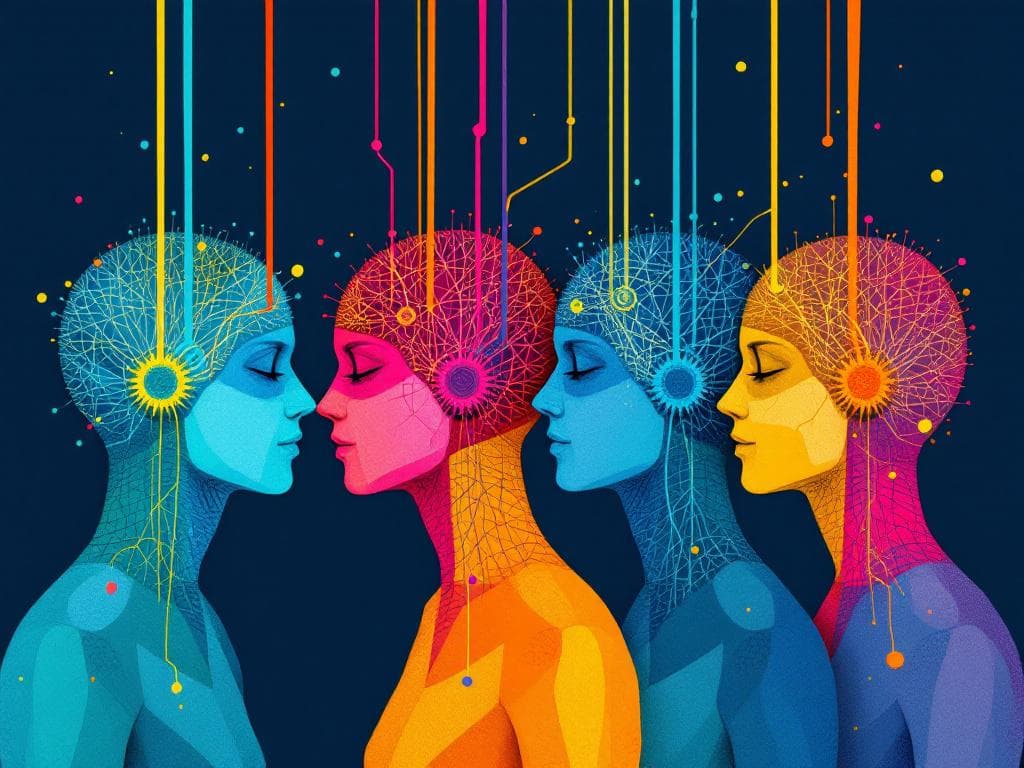

The difference between codependency and interdependence is not about how much time you spend together or how deeply you feel. It is about whether the relationship adds to who you are or replaces who you are. Codependent relationships look intense from the outside and feel necessary from the inside. Interdependent relationships look balanced from the outside and feel chosen from the inside. The confusion between the two is responsible for more relationship damage than infidelity, distance, or incompatibility combined.
Codependency disguises itself as devotion. The person who cancels all their plans to be available when their partner needs them feels selfless. The person who cannot enjoy a weekend without checking whether their partner is okay feels caring. The person who derives their entire emotional stability from one other human being feels deeply in love. None of these patterns are love. They are dependency wearing love as a costume. Real devotion does not require the destruction of your individual identity.
Interdependence starts with two complete people choosing to share#
Interdependence starts with two complete people choosing to share their lives. The key word is complete. Not perfect, not fully healed, not without needs, but functionally whole. Each person has their own interests, their own friendships, their own emotional regulation tools, and their own sense of purpose. They come together not because they need to be filled but because sharing amplifies what each already has. When an interdependent partner has a bad day, they can lean on the relationship for comfort while also being capable of processing their emotions independently.
The anxious attachment style is particularly vulnerable to codependency because the fear of abandonment creates a gravitational pull toward fusion. If you have anxious attachment, the early stages of a relationship can feel like finally finding solid ground after years of emotional floating. This relief is intoxicating but dangerous because it teaches your nervous system that this one person is responsible for your safety. When they are present, you feel calm. When they are absent, you feel panicked. That is not connection. That is outsourced emotional regulation.
Testing for codependency requires honest answers to uncomfortable questions. Can you spend a weekend alone and enjoy it? Do you have opinions that differ from your partner that you express freely? When your partner is upset, can you offer support without absorbing their emotion as your own? Do you maintain friendships independent of the relationship? Can you say no to your partner without fear of consequences? If any of these produce anxiety rather than a straightforward yes, codependent patterns are likely operating beneath the surface.
Rebuilding toward interdependence from codependency is possible but#
Rebuilding toward interdependence from codependency is possible but requires intentional separation of emotional identities. This does not mean creating distance. It means creating differentiation. Start by identifying one activity, interest, or friendship that belongs only to you and protect it. Spend time alone without filling the silence with texting or checking social media. Practice sitting with uncomfortable emotions for ten minutes before reaching out for reassurance. These small acts of emotional independence gradually rewire the neural pathways that confuse dependency with love.
The paradox of interdependence is that it creates deeper intimacy than codependency ever can. When you choose to be with someone from a position of wholeness rather than need, every moment together carries genuine desire rather than desperate grasping. The conversation is more honest because you are not afraid of rupture. The physical intimacy is more present because you are not performing security. The conflicts are more productive because neither person identity dissolves when the other is disappointed. Freedom and closeness are not opposites. They are prerequisites for each other.
Ready to Find Your Perfect Match?
Take our quick quiz to get personalized dating app recommendations.
Find My App →- Pew Research Center (2025) — Online dating attitudes and usage
- App Store & Google Play (2026) — Official ratings and download data
- MeetVibe editorial research (2026) — Hands-on testing and analysis
Editorial disclaimer: MeetVibe may earn a commission from partner links. This does not influence our ratings.