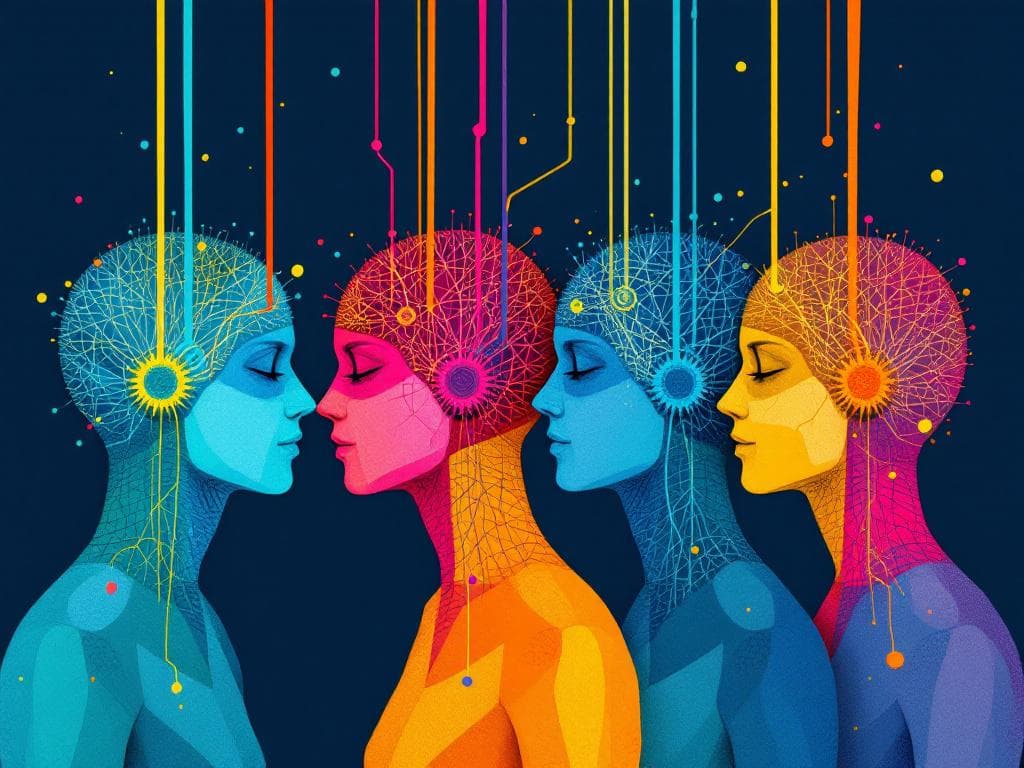

If you have dated a narcissist, you know the aftermath in your body before you can articulate it in words. A nervous system permanently set to high alert. A constant scanning of your partner face for micro-expressions that signal shifting mood. An inability to trust your own perceptions because someone spent months or years convincing you that your perceptions were wrong. Dating after a narcissistic relationship is not just re-entering the dating pool. It is re-entering it with a distorted map where the landmarks have been moved and the compass has been demagnetized.
The most insidious legacy of narcissistic abuse is the erosion of self-trust. Gaslighting, the narcissist primary tool, systematically dismantles your ability to distinguish your experience from their narrative. After months or years of being told that you are too sensitive, that things did not happen the way you remember, that your feelings are irrational, you stop trusting your own judgment. In dating, this manifests as a persistent uncertainty about whether your instincts are valid. When something feels wrong, you question yourself rather than the situation. When something feels right, you question whether you can trust the feeling.
Trauma bonding creates a warped template for what love feels like#
Trauma bonding creates a warped template for what love feels like. The narcissistic relationship cycle of idealization, devaluation, and intermittent reinforcement produces a neurochemical pattern that your brain records as intense love. When you subsequently encounter healthy, consistent, drama-free connection, it feels flat by comparison. The absence of anxiety is interpreted as the absence of passion. This is not a character flaw. It is a calibration problem. Your internal love detector has been tuned to a dysfunctional frequency, and it needs conscious recalibration to recognize healthy love as love rather than boredom.
Hypervigilance in post-narcissistic dating is exhausting and distorting. You find yourself analyzing every statement for hidden meaning, watching for signs of manipulation in innocent conversations, and constructing escape plans before the first date has ended. This vigilance was adaptive in the narcissistic relationship because the threat was real. In new relationships, it creates a adversarial dynamic where the new person is constantly being evaluated against a threat model they know nothing about. They feel the surveillance even if they cannot name it, and it prevents the trust-building that healthy relationships require.
The specific red flags that survivors of narcissistic abuse should watch for in new dating partners include love-bombing, which is excessive attention and flattery in the early stages, premature declarations of commitment, attempts to isolate you from friends and family, subtle put-downs disguised as jokes, and a pattern of the conversation always centering on them. These behaviors are not always indicators of narcissism, but they should trigger careful observation rather than immediate emotional investment. Trust your discomfort. It is no longer the enemy. It is an alarm system that was installed by experience.
Green flags in post-narcissistic dating deserve equal attention#
Green flags in post-narcissistic dating deserve equal attention. Partners who are consistent rather than dramatic. Who apologize genuinely when they make mistakes. Who celebrate your successes without competing with them. Who respect your boundaries without testing them. Who ask about your day and actually listen to the answer. Who handle disagreements with curiosity rather than contempt. These behaviors may not trigger the neurochemical fireworks that the narcissistic relationship produced, but they are the building blocks of love that grows rather than love that consumes.
Professional support is strongly recommended for dating after narcissistic abuse. A therapist experienced in narcissistic abuse recovery can help you identify the specific patterns that were installed by the relationship, develop strategies for managing triggered responses in new dating situations, and provide an external reality check as you recalibrate your instincts. This is not weakness. It is strategic recovery. The narcissist spent months or years rewiring your perceptions. Expecting to undo that damage alone and quickly is unrealistic and unfair to yourself.
Healing is not linear, and dating after narcissistic abuse will surface feelings and reactions you thought you had processed. A new partner innocent comment may trigger a flashback. A moment of vulnerability may be followed by hours of anxiety about whether it will be used against you. These experiences are normal parts of recovery, not evidence that you are broken or unready. Give yourself permission to move slowly, to feel afraid and date anyway, and to trust that the person who survived that relationship has more than enough strength to build a better one.
Ready to Find Your Perfect Match?
Take our quick quiz to get personalized dating app recommendations.
Find My App →- Pew Research Center (2025) — Online dating attitudes and usage
- App Store & Google Play (2026) — Official ratings and download data
- MeetVibe editorial research (2026) — Hands-on testing and analysis
Editorial disclaimer: MeetVibe may earn a commission from partner links. This does not influence our ratings.