
Dating fatigue is not laziness or giving up. It is a genuine psychological state that develops when the emotional labor of meeting new people exceeds your capacity to process it. Every first date requires optimism, vulnerability, social performance, and the management of expectations and disappointments. These are not trivial cognitive tasks. They draw from a finite pool of emotional energy that needs replenishment. When that pool runs dry, the symptoms are unmistakable: cynicism replaces curiosity, swiping feels mechanical, and the prospect of another get-to-know-you conversation triggers dread rather than excitement.
The timeline varies enormously between individuals. Some people burn out after two months of active app dating. Others sustain energy for a year or more. The variables that accelerate fatigue include frequency of dates, emotional investment per date, number of disappointing outcomes, lack of social support, and whether dating is being treated as a project with deadlines rather than an organic process. People who approach dating with urgency, as if finding a partner is a problem to be solved on a timeline, exhaust themselves faster than those who treat it as one dimension of a full life.
The first sign of dating fatigue is usually the shift from selective#
The first sign of dating fatigue is usually the shift from selective swiping to mindless swiping. When you stop reading profiles and start making decisions based solely on the first photo, your brain has downgraded the task from meaningful evaluation to repetitive pattern matching. This is the same mechanism that causes assembly line workers to zone out: the brain protects itself from tedium by reducing engagement. If you catch yourself swiping for twenty minutes without remembering a single profile, you have crossed into fatigued territory.
Conversation quality is another reliable indicator. Early in the dating process, messaging feels exciting. You craft thoughtful responses, ask genuine questions, and feel anticipation when a notification appears. Fatigue converts this excitement into obligation. Messages become shorter, response times stretch, and the internal monologue shifts from what should I say to I should probably respond. When communication feels like a task on a to-do list rather than a conversation you want to have, the fatigue is affecting your ability to connect authentically.
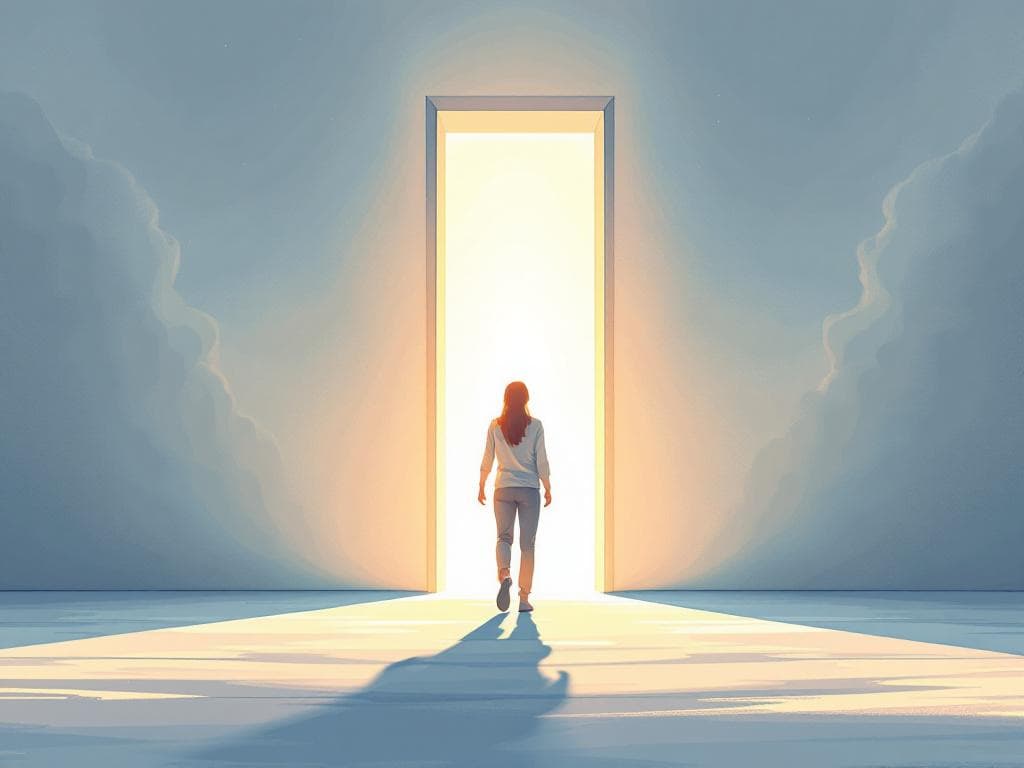
Taking a break is not failure. It is maintenance. Athletes rest between seasons. Students take breaks between semesters. Creative professionals step away from projects to prevent burnout. Dating is no different. A deliberate pause of two to six weeks allows emotional reserves to replenish, perspective to return, and the genuine desire for connection to reemerge naturally rather than being forced. The person who returns to dating after a break is fundamentally more attractive than the person who pushes through fatigue, because enthusiasm is visible and exhaustion is too.
The break itself should be intentional, not passive#
The break itself should be intentional, not passive. Simply deleting apps and watching television for a month does not address the underlying depletion. Use the pause to reconnect with friendships, pursue interests that have been neglected, exercise, and do the kind of self-care that builds you back into someone who has something to offer a relationship. The goal is to return to dating feeling full rather than empty, choosing to date rather than feeling compelled to.
Reentry after a break requires recalibrating expectations. The patterns that caused fatigue the first time will cause it again if nothing changes. Consider reducing the number of simultaneous conversations, being more selective about who gets a first date, spacing dates further apart, and protecting at least two evenings per week as non-date time. Sustainability matters more than speed. The person you end up with does not care whether you found them in month two or month eight. They care that you showed up present, engaged, and genuinely interested.
Ready to Find Your Perfect Match?
Take our quick quiz to get personalized dating app recommendations.
Find My App →- Pew Research Center (2025) — Online dating attitudes and usage
- App Store & Google Play (2026) — Official ratings and download data
- MeetVibe editorial research (2026) — Hands-on testing and analysis
Editorial disclaimer: MeetVibe may earn a commission from partner links. This does not influence our ratings.