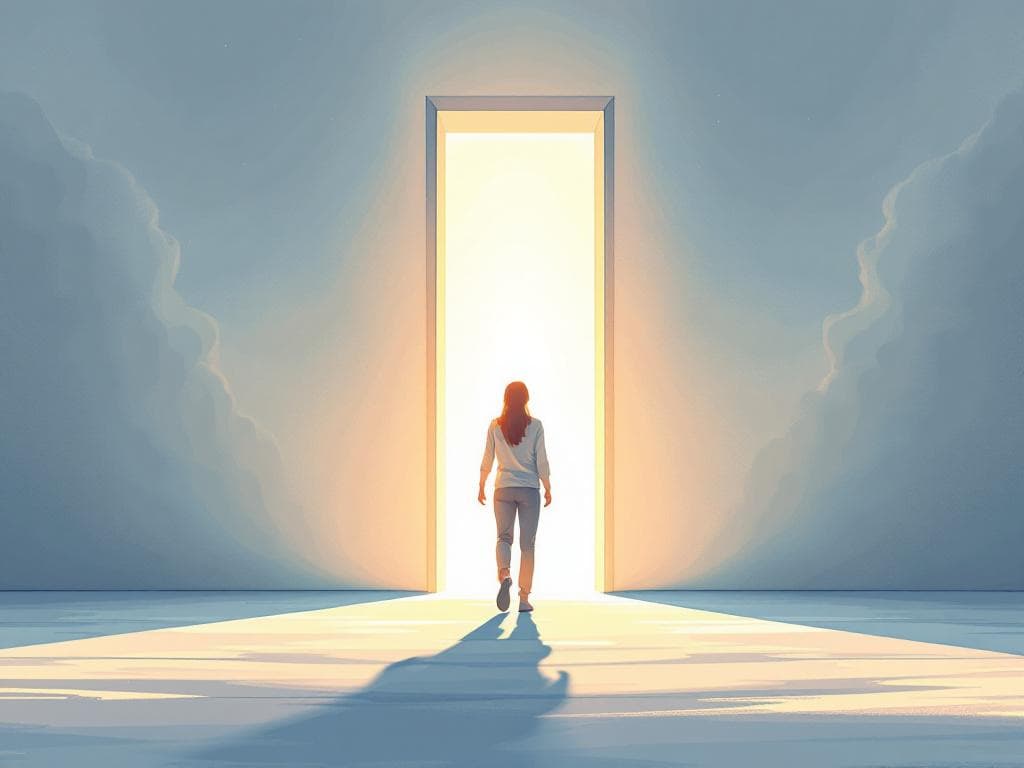

Depression has a way of narrating your life in the cruelest possible terms. You are too broken to date. No one wants to deal with your baggage. You will just bring them down. These thoughts feel like objective observations, but they are symptoms, as much a product of the illness as fatigue and sleep disruption. The truth that depression tries to hide from you is this: you are a complete person who happens to have a medical condition. You are not your worst days. You are not the voice that tells you to cancel plans and stay in bed. And you deserve connection even when your brain insists otherwise.
The question of when to disclose depression to someone you are dating has no universal answer, but there are useful guidelines. You do not owe anyone your mental health history on a first date. But if a relationship is becoming serious, typically around the two-month mark or when you start spending regular time together, disclosure serves both of you. It gives your partner context for behaviors they may have already noticed. It allows them to support you effectively rather than taking your low days personally. And it tests whether they have the emotional capacity to be with someone whose energy fluctuates, which is information you need.
How you disclose matters as much as when#
How you disclose matters as much as when. Frame depression as one aspect of your life, not the defining feature. I manage depression and I want you to know that sometimes means I have low energy days is very different from I am depressed and it is really bad and you should probably know what you are getting into. The first frames you as someone with agency and self-awareness. The second frames you as a warning label. Practice your disclosure language before the conversation. You deserve to communicate this part of your life with the same confidence you bring to discussing your career or your hobbies.
Low-energy dating strategies become essential tools in your toolkit. Not every date needs to be a high-stimulation event. Movie nights at home, slow walks in the park, cooking a simple meal together, or even sitting in companionable silence while reading are all legitimate date activities that do not require the performance energy of a restaurant dinner. The right partner will appreciate that you are sharing your real life with them rather than maintaining an exhausting facade. If someone consistently needs you to be on, they are not compatible with how you actually live.
The cancel-and-explain cycle is one of the most damaging patterns in dating with depression. A bad day hits, you cancel plans, you feel guilty, you overexplain, your date either gets frustrated or overly concerned, and the whole dynamic shifts into caretaker territory. A better approach is to build flexibility into your dating life from the start. Instead of Friday at seven, suggest Friday or Saturday, depending on how the week goes. Instead of canceling entirely, offer an alternative: I am not up for going out tonight but would you want to come over and watch something. Most reasonable people appreciate honesty paired with effort.
Medication management during dating deserves attention#
Medication management during dating deserves attention. Some antidepressants affect libido, energy levels, and emotional range, all of which impact how you show up in a relationship. If your medication is working well for your depression but creating side effects that complicate dating, talk to your prescriber about adjustments. Do not stop taking medication to feel more alive on dates. That path leads to a crash that damages both your health and your relationship. Your stability is the foundation that makes connection possible. Protect it.
The partner who is right for you will not try to fix your depression. They will not take it personally when you have a bad day. They will not treat you as fragile or define you by your diagnosis. They will learn your patterns, ask what helps, and trust you to manage your own health while offering support without taking over. This person exists. Depression will tell you they do not, or that you do not deserve them when you find them. That is the illness talking, and you do not have to believe it.
Dating with depression is an act of radical hope. Every time you put yourself out there despite the voice saying stay home, every time you share something real instead of performing wellness, every time you choose connection over isolation, you are actively contradicting the narrative depression tries to write for you. It is not easy. Some days it will feel impossible. But the capacity for love and connection is not diminished by depression. It is tested by it. And everything that is tested and survives becomes stronger. You are braver than you think, and you are worthy of the love you are looking for.
Ready to Find Your Perfect Match?
Take our quick quiz to get personalized dating app recommendations.
Find My App →- Pew Research Center (2025) — Online dating attitudes and usage
- App Store & Google Play (2026) — Official ratings and download data
- MeetVibe editorial research (2026) — Hands-on testing and analysis
Editorial disclaimer: MeetVibe may earn a commission from partner links. This does not influence our ratings.