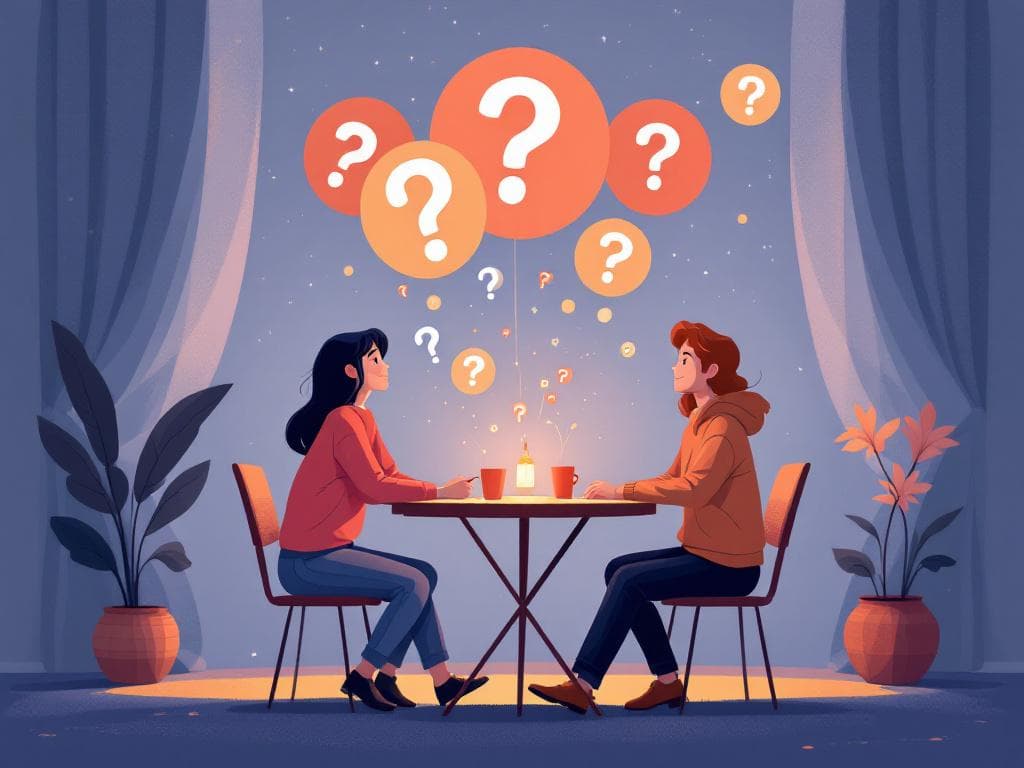

Brene Brown calls vulnerability the birthplace of love, belonging, and joy. Yet when someone tells you to "just be vulnerable," it can feel like being told to walk across a highway blindfolded. How to be vulnerable in a relationship is one of the most common questions therapists hear, because true vulnerability feels terrifying — and for good reason. Opening yourself up means risking rejection, judgment, and pain. But without vulnerability, relationships remain shallow and unsatisfying.
Vulnerability does not mean sharing everything with everyone immediately. It is not about dumping your deepest traumas on a second date or removing all boundaries in the name of openness. Healthy vulnerability is graduated — you share a little, see how the other person responds, and then decide whether to share more. Think of it as testing the water temperature before diving in. Each positive response builds trust, and trust builds the foundation for deeper sharing.
Start with smaller vulnerabilities#
Start with smaller vulnerabilities. Admit that a movie made you cry. Share that you felt nervous before meeting them. Tell them about a childhood memory that shaped who you are. These are not earth-shattering revelations, but they communicate something essential: I trust you enough to show you parts of myself that I usually keep hidden. Pay attention to how your partner receives these disclosures — do they lean in with curiosity, or do they change the subject?
One of the biggest barriers to vulnerability is the belief that showing weakness will make you less attractive. In reality, the opposite is true. Research consistently shows that people find vulnerability in others to be endearing and trust-building. When you pretend to have everything figured out, you create distance. When you admit uncertainty, fear, or imperfection, you create connection. Nobody falls in love with a highlight reel — they fall in love with a real person.
Protect your vulnerability by setting boundaries. Being open does not mean accepting poor treatment. If you share something tender and your partner uses it against you later, weaponizes it in arguments, or dismisses your feelings, that is not a signal to close down — it is a signal that this person may not be safe for your heart. Vulnerability requires reciprocity: both people sharing, both people holding what is shared with care.
Practice self-vulnerability first#
Practice self-vulnerability first. Sit with your own emotions without judging them. Journal about your fears, desires, and wounds. Get comfortable with the full range of your inner life before asking someone else to witness it. The more at home you are with yourself — including the messy, uncertain, imperfect parts — the more naturally vulnerability will flow in your relationships.
Ready to Find Your Perfect Match?
Take our quick quiz to get personalized dating app recommendations.
Find My App →- Pew Research Center (2025) — Online dating attitudes and usage
- App Store & Google Play (2026) — Official ratings and download data
- MeetVibe editorial research (2026) — Hands-on testing and analysis
Editorial disclaimer: MeetVibe may earn a commission from partner links. This does not influence our ratings.