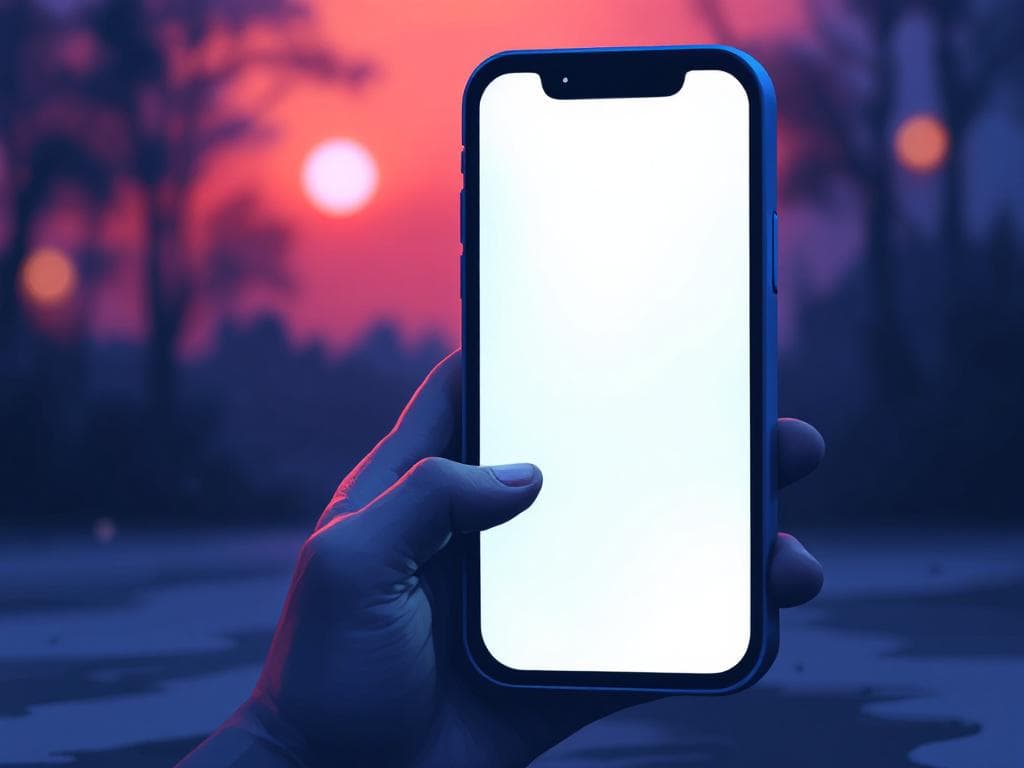

The date ended two hours ago. It went well. They laughed at your jokes, asked thoughtful questions, lingered at the goodbye. And now you are lying in bed replaying every moment, extracting meaning from every pause, every glance, every word choice. Did they say we should do this again or we should do this sometime? Because those are very different sentences. You check your phone. No message yet. Does that mean something? You type a message, delete it, type another, delete that too. This is not reflection. This is overthinking, and it turns the sweetest date into a source of anxiety rather than joy.
Overthinking after dates is rooted in a fundamental misunderstanding: that you can think your way to certainty about another person feelings. You cannot. No amount of analysis will reveal whether someone likes you as much as you like them. No pattern recognition in their texting behavior will tell you if this is going somewhere. The information you need will arrive through time and continued contact, not through mental excavation of a two-hour dinner conversation. Your brain is attempting to solve an unsolvable equation, and the attempt is costing you the peace of mind that would actually make you more attractive in the next interaction.
The neurochemistry of post-date overthinking is well understood#
The neurochemistry of post-date overthinking is well understood. During a date, your brain releases dopamine in response to novelty and attraction. When the date ends, the dopamine supply is cut off, and your brain enters a seeking state, desperate to recreate the stimulation. Checking your phone, analyzing the conversation, and imagining future scenarios are all ways your brain tries to generate more dopamine in the absence of the actual person. Understanding this mechanism does not make the urge disappear, but it does help you recognize that your thoughts are driven by chemistry, not clairvoyance.
The three-hour rule is a simple boundary that reduces post-date anxiety dramatically. After a date, give yourself a maximum of three hours before you stop actively thinking about it. During those three hours, allow yourself to process. Call a friend and debrief. Write in your journal. Smile about the good moments. After three hours, engage in an activity that requires your full attention: exercise, cooking, a movie that demands concentration, a social obligation. The goal is not to suppress your feelings but to prevent the rumination loop from taking hold. Most overthinking happens not because the date was confusing but because you gave your brain too much unstructured time to spiral.
Texting anxiety is the most common form of post-date overthinking, and it has a straightforward solution: send one genuine message and then put your phone in another room. The message should be simple and warm. Something like I had a really good time tonight, thanks for suggesting that restaurant. Do not craft the perfect message. Do not wait a strategic amount of time. Do not analyze their response time or word count. Send something real, and then redirect your attention. If they are interested, they will respond. If they are not, no amount of text optimization was going to change that outcome.
Journaling specifically designed for dating overthinking can rewire#
Journaling specifically designed for dating overthinking can rewire your thought patterns over time. After each date, answer three questions: What did I enjoy? What did I learn about myself? What am I grateful for about the experience regardless of outcome? Notice that none of these questions involve analyzing the other person behavior or predicting the future. They redirect your attention from external validation to internal experience. Over weeks and months, this practice trains your brain to associate dating with self-discovery rather than anxiety.
The deeper work involves examining why uncertainty feels so threatening to you. For many overthinkers, the inability to know how someone feels activates a core wound around rejection or abandonment. The overthinking is not really about this date. It is about every time someone you cared about left, every time affection was withdrawn without warning, every time you were blindsided by an ending you did not see coming. Your brain is trying to prevent that pain by analyzing every possible outcome in advance. But hypervigilance does not prevent pain. It just ensures you experience the fear of it before anything bad has actually happened.
The most liberating realization for chronic overthinkers is this: you do not need to figure out how they feel right now. You need to decide how you feel and act accordingly. If you enjoyed the date, say so. If you want to see them again, express it. If you are unsure, give it another date before deciding. Your job is not to decode their interest level through forensic analysis of emoji usage. Your job is to show up authentically, communicate honestly, and let the other person do the same. Everything else is noise that your anxiety is generating to keep itself alive.
Ready to Find Your Perfect Match?
Take our quick quiz to get personalized dating app recommendations.
Find My App →- Pew Research Center (2025) — Online dating attitudes and usage
- App Store & Google Play (2026) — Official ratings and download data
- MeetVibe editorial research (2026) — Hands-on testing and analysis
Editorial disclaimer: MeetVibe may earn a commission from partner links. This does not influence our ratings.