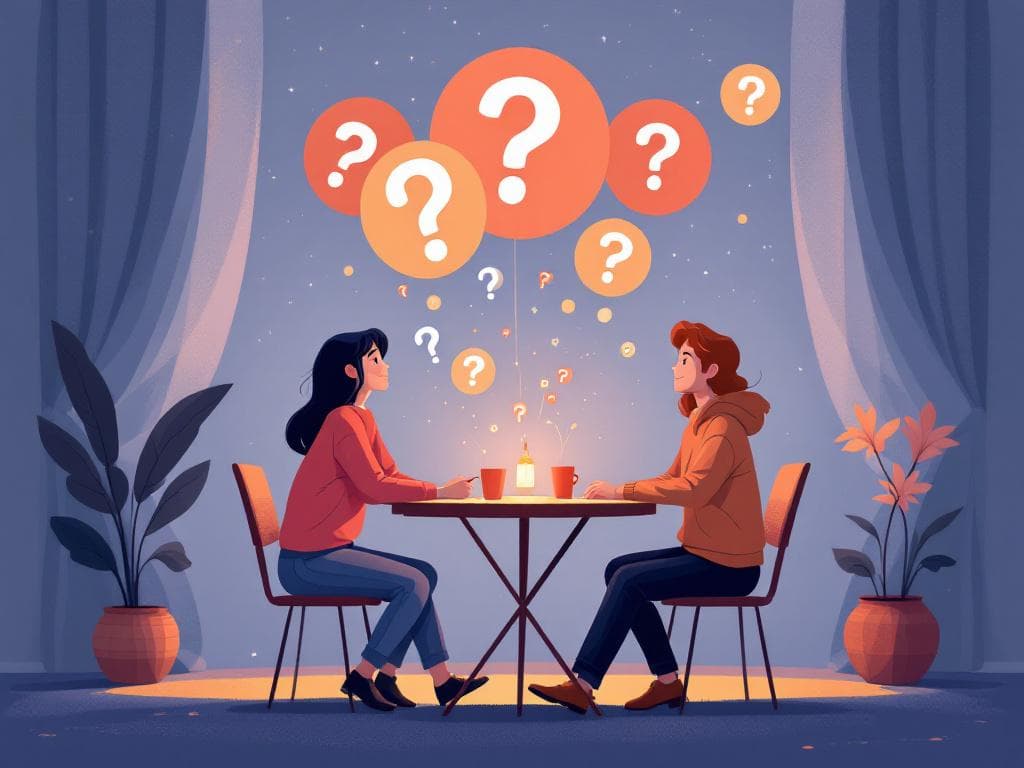

Conflict avoidance feels like love. It feels like choosing your partner comfort over your own need to be heard. It feels like maturity, restraint, keeping the peace. But conflict avoidance is not peaceful. It is a slow accumulation of unsaid things that transforms a living relationship into a museum of suppressed feelings. Every time you choose silence over honesty to prevent discomfort, you are making a withdrawal from the emotional bank account of the relationship. Eventually, the account is empty and neither person understands how they got there.
The psychology of conflict avoidance typically originates in childhood homes where disagreement was dangerous. If expressing anger or frustration resulted in punishment, abandonment, or emotional volatility from caregivers, you learned that conflict equals threat. This lesson was adaptive in childhood. It may have been necessary for survival. But applying it to adult romantic relationships means treating your partner as a potential threat rather than a potential ally. Your partner is not your parent. The rules are different. But your nervous system does not know that until you teach it through new experiences.
The three most common conflict avoidance behaviors in relationships#
The three most common conflict avoidance behaviors in relationships are withdrawal, deflection, and premature agreement. Withdrawal means physically or emotionally leaving the conversation when tension rises. Deflection means changing the subject, making a joke, or introducing a distraction when difficult topics emerge. Premature agreement means saying you are right or it does not matter before you have actually processed your feelings. All three behaviors short-circuit the natural conflict resolution process and prevent the relationship from developing the tools it needs to navigate genuine disagreements.
What conflict avoiders do not realize is that their partner can feel the distance even when the specific issue is invisible. Unexpressed resentment leaks out through tone of voice, physical withdrawal, decreased affection, and subtle passive-aggressive behaviors. The partner on the receiving end knows something is wrong but has no access to the information needed to fix it. This creates a confusing dynamic where both people feel disconnected but only one knows why. The conflict avoider thinks they are protecting the relationship. They are actually starving it of the honest communication it needs to survive.
Healthy conflict is not just tolerable in relationships. It is necessary. Couples who can disagree openly, express hurt without attacking, hear criticism without crumbling, and repair after arguments are more satisfied in their relationships than couples who never fight. The absence of visible conflict is not a sign of a good relationship. It is either a sign that both people are genuinely aligned on everything, which is rare, or a sign that at least one person is suppressing their needs, which is common and corrosive.
Learning to engage in conflict productively is a skill, not a#
Learning to engage in conflict productively is a skill, not a personality change. Start with the smallest possible disagreement. If your partner suggests a restaurant you do not want to go to, say you would prefer something else instead of agreeing automatically. If something bothers you, mention it within twenty-four hours instead of swallowing it. Use I-statements that describe your experience rather than you-statements that assign blame. The goal is not to fight more. It is to communicate honestly, even when honesty creates temporary discomfort.
The relationship you build on the other side of conflict avoidance is fundamentally different from the one you have been maintaining through silence. It is louder, messier, and occasionally uncomfortable. It is also deeper, more honest, and more resilient. Partners who know they can bring difficult topics to the table without the relationship shattering feel safer, more connected, and more willing to invest in the long term. Conflict is not the enemy of love. Silence is.
Ready to Find Your Perfect Match?
Take our quick quiz to get personalized dating app recommendations.
Find My App →- Pew Research Center (2025) — Online dating attitudes and usage
- App Store & Google Play (2026) — Official ratings and download data
- MeetVibe editorial research (2026) — Hands-on testing and analysis
Editorial disclaimer: MeetVibe may earn a commission from partner links. This does not influence our ratings.